Volvo AWD System Explained
All-wheel drive has become an incredibly popular feature for the automotive industry, especially in states like Ohio, where we have some serious winters to contend with. Volvo has responded to this demand by giving every single model in the lineup all-wheel drive either as a standard feature or an option. But what makes this such a popular feature in the first place? Read on for a breakdown of this tech and what it can do to make your life easier.
How Does Volvo All-Wheel-Drive Work?
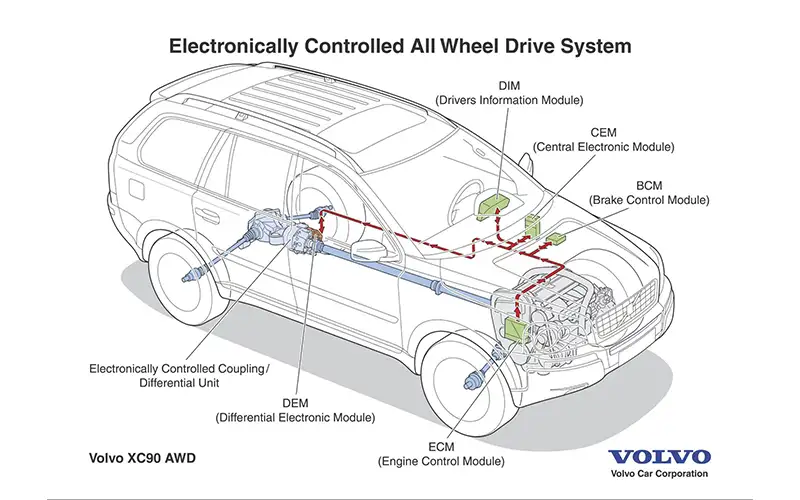
An all-wheel drive system is a type of drivetrain that is capable of sending power to all four wheels of a vehicle. The word “capable” is used here because most AWD systems don’t send power to all four wheels all the time. Sending power to all four wheels takes more effort, and that reduces fuel economy. So AWD systems will usually send power to just the front wheels or just the rear wheels most of the time, diverting power to all 4 wheels only when those wheels lose traction. This means you get the traction you need when you need it, and you don’t have to sacrifice fuel economy the rest of the time.
AWD systems also usually work with the vehicle’s anti-lock braking system, slowing down wheels that are slipping in order to further maximize traction. Lastly, AWD differs from four-wheel drive in a couple of ways, namely the lack of a low range and locking differentials. But for anyone who isn’t doing serious off-roading or driving around the Arctic Circle, these features would just be adding weight and expense.
Are AWD Volvo Cars Good In Snow?
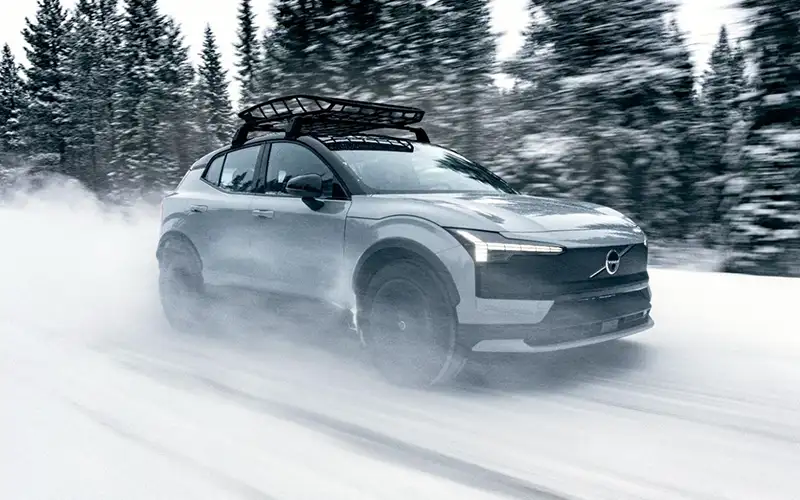
AWD Volvo vehicles are extremely good in the snow. As a Swedish brand, Volvo engineers are no strangers to poor winter road conditions, and dealing with snow is the primary reason for Volvo vehicles to be equipped with AWD. That having been said, it’s important to note that AWD only gives you a traction advantage while accelerating, not while braking.
This is a bigger problem for AWD-equipped vehicles than those with only two driven wheels, since the added traction while accelerating can allow you to get up to speeds that far exceed what is safe for the brakes much easier. The best way to get the most out of both the AWD system and the brakes in snow is a set of winter tires.
Volvo AWD Across Different Powertrains
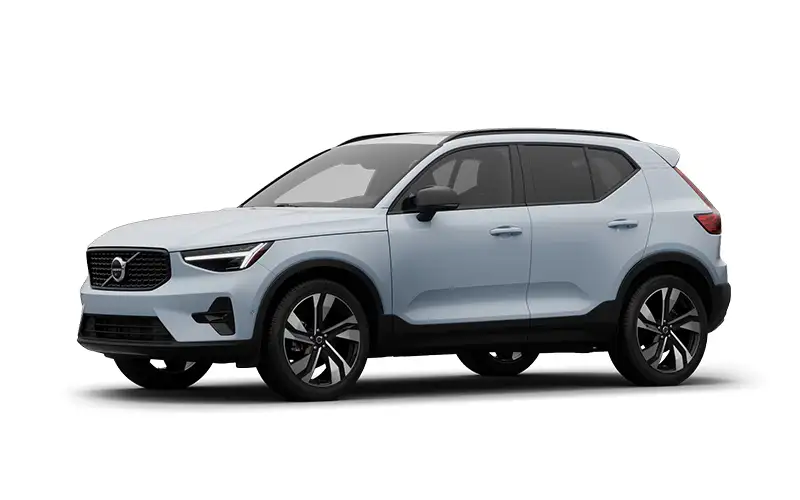
Not every AWD drivetrain works the same way, and Volvo actually produces three different kinds of AWD systems. Mild hybrid AWD systems are controlled by a center differential that controls when and how much power is sent to the rear wheels. The mild hybrid components of the system don’t enter into the equation, and this style of system is common throughout the automotive industry.
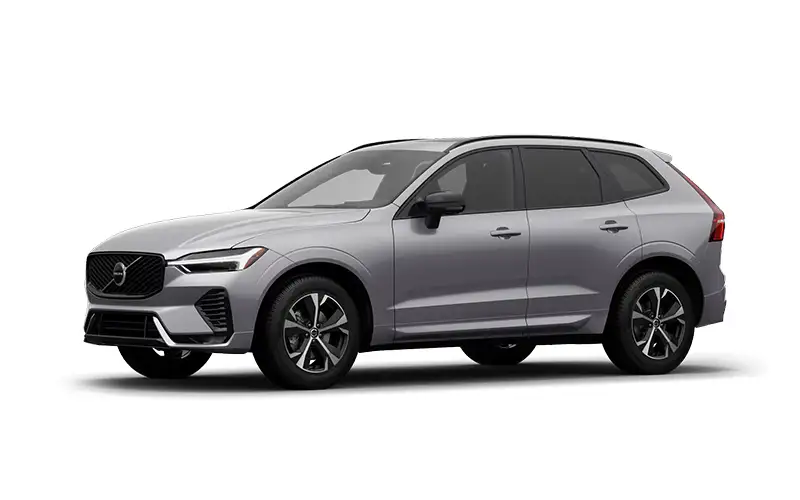
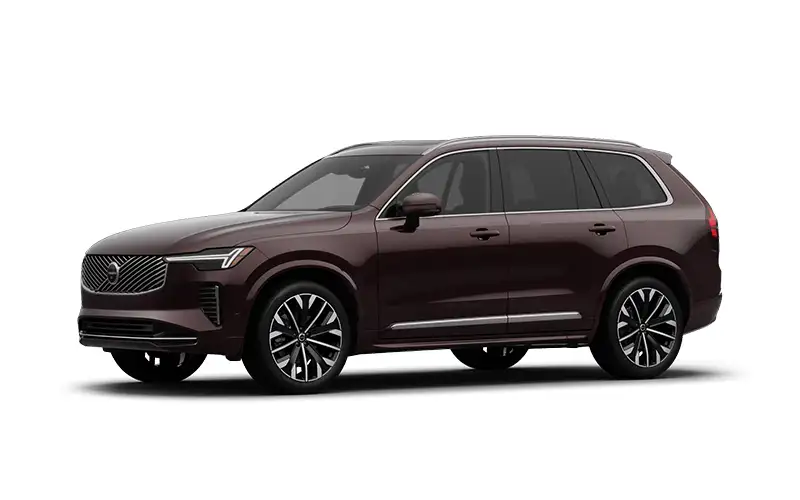
For plug-in hybrid models, things work a little differently. For the XC60 Plug-In Hybrid and the XC90 Plug-In Hybrid, the gasoline engine powers the front wheels while the rear wheels run on electric power. Under normal conditions and in normal drive mode, this style of system allows for all four wheels to be powered more of the time while simultaneously improving fuel economy.
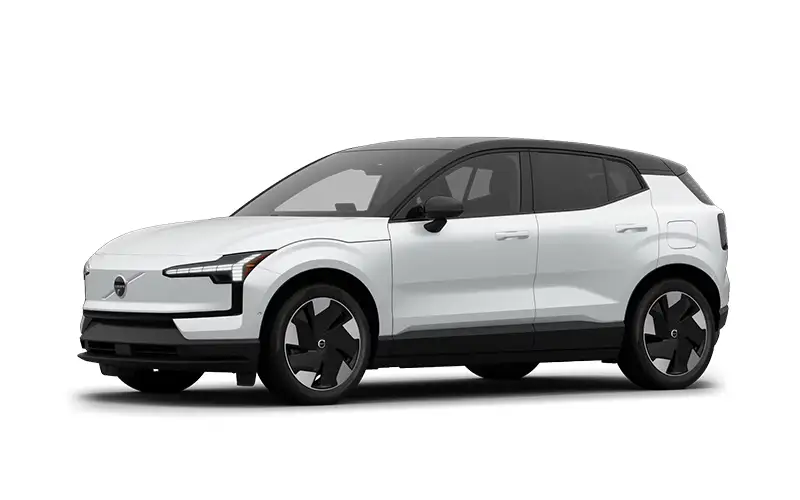
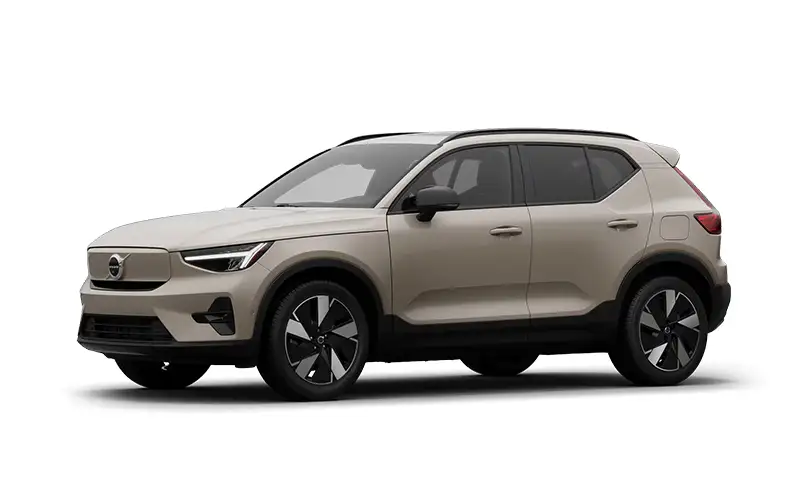
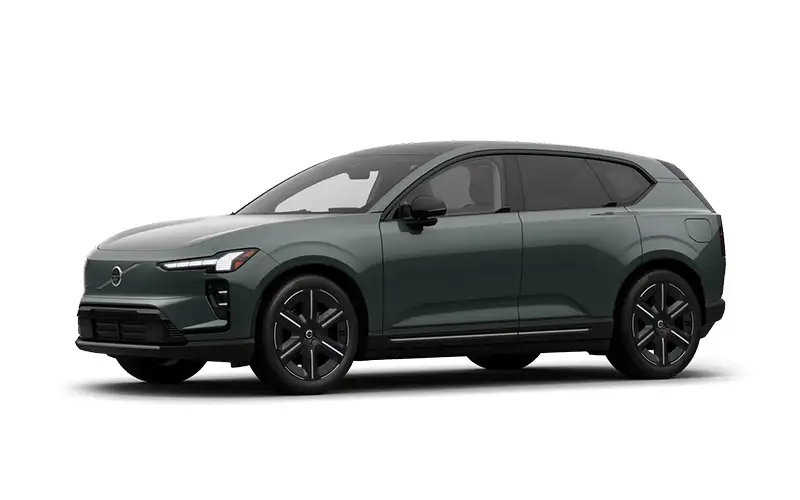
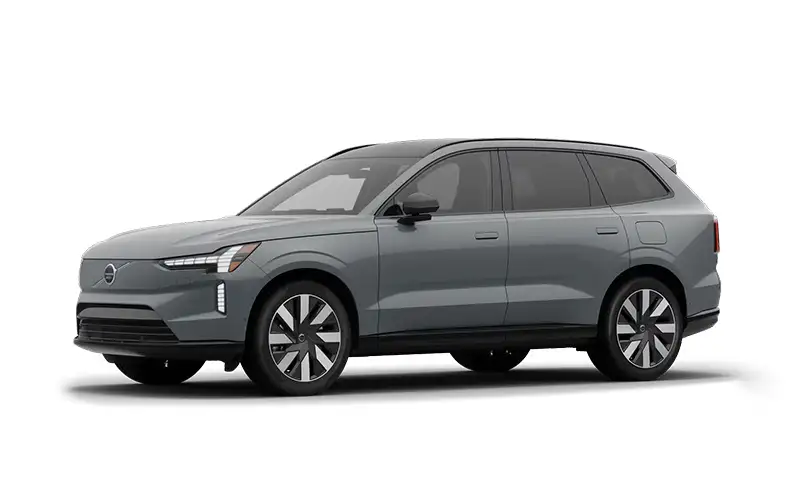
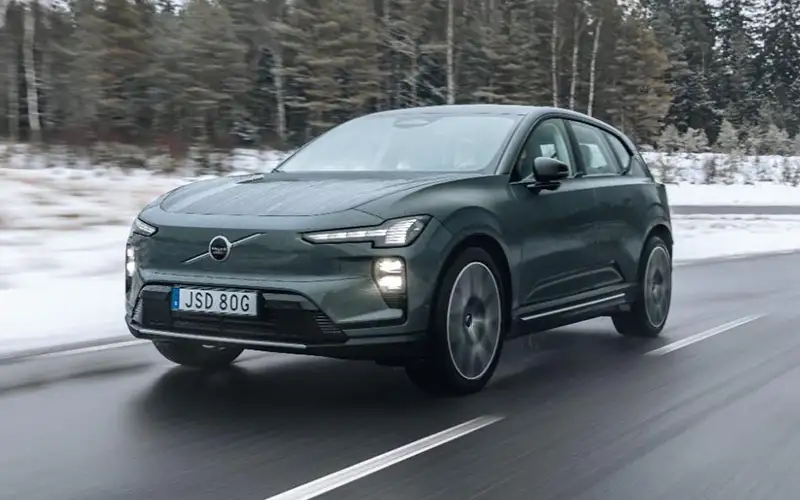
The last type is an all-electric drivetrain. AWD Volvo EVs simply use two motors, one for the front wheels and one for the rear. This is why AWD models also offer more horsepower and torque than their front-wheel drive and rear-wheel drive counterparts.